
Drug-Induced Liver Injury: Causes, Signs, and Medications That Risk Your Liver
When your liver gets damaged because of a medication, that’s called drug-induced liver injury, liver harm caused by prescription drugs, over-the-counter medicines, or supplements. Also known as drug-induced hepatotoxicity, it’s not rare — and it often shows up quietly, with no symptoms until it’s serious. You might be taking something that’s perfectly safe for most people, but your body reacts differently. It doesn’t mean you’re doing anything wrong. It just means your liver is working overtime to process chemicals it wasn’t built to handle.
Some of the most common culprits are painkillers like acetaminophen, antibiotics like amoxicillin-clavulanate, and even herbal supplements like green tea extract or kava. Statins, antifungals, and certain antidepressants can also trigger it. Even if you’re not overdosing, long-term use or mixing meds — like taking ibuprofen with a blood thinner — can stack up and overwhelm your liver. This isn’t about being careless. It’s about how your body’s metabolism, age, genetics, or existing conditions like obesity or diabetes change how drugs are processed. The liver doesn’t scream when it’s hurt. It just stops working right — and by the time you feel it, damage may already be done.
That’s why knowing the early signs matters. Fatigue, nausea, dark urine, yellow skin or eyes — these aren’t just "feeling off." They’re red flags. And if you’re on multiple meds, especially for chronic conditions, you’re at higher risk. A simple blood test can catch rising liver enzymes before things get dangerous. Many people don’t realize their liver is under stress until it’s too late. That’s why checking in with your doctor about your meds — even if they seem harmless — isn’t optional. It’s essential.
You’ll find real cases here: how a common antibiotic led to hospitalization, why an OTC sleep aid caused lasting damage, and how a heart medication silently harmed someone’s liver over months. We’ll show you which drugs carry the highest risk, what to watch for, and how to talk to your doctor about alternatives that protect your liver instead of stressing it. This isn’t fear-mongering. It’s practical awareness — the kind that keeps you from becoming a statistic.
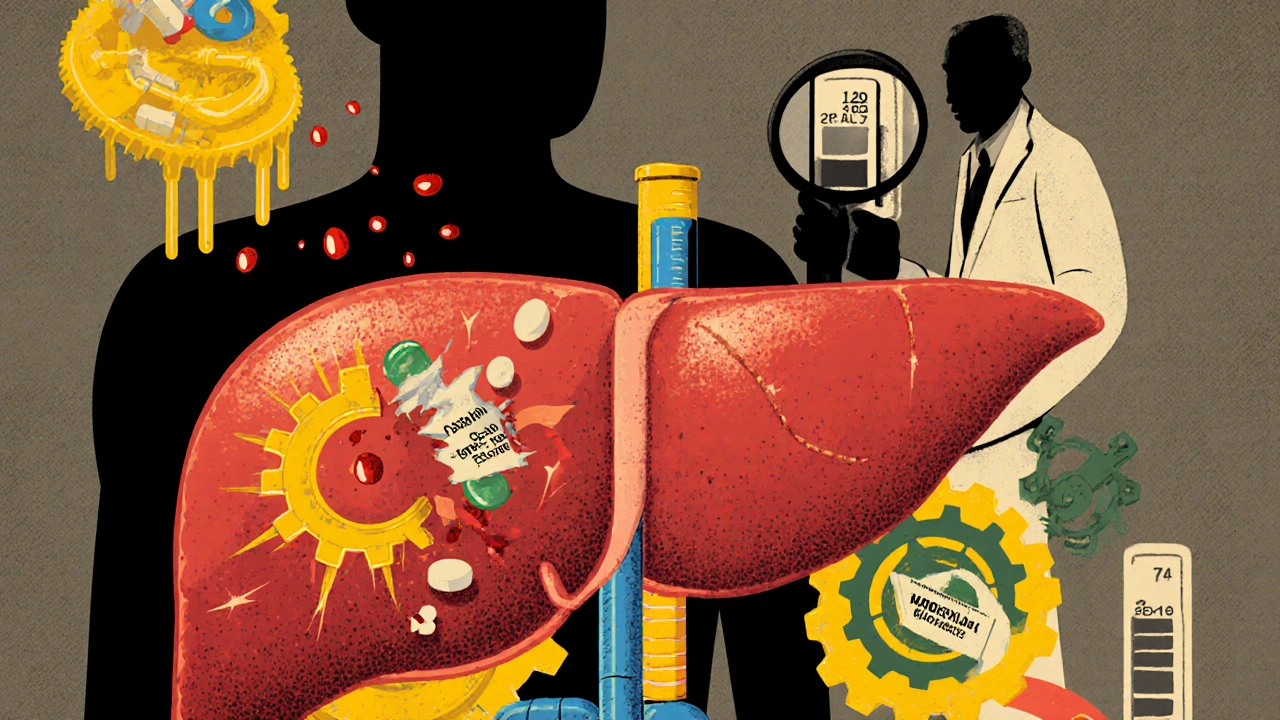
Drug-Induced Liver Injury: High-Risk Medications and How to Monitor Them
Drug-induced liver injury can strike from common medications and even supplements. Learn which drugs pose the highest risk, how to monitor your liver, and what to do if you suspect damage - before it's too late.
Read more